hen I started Rare Plant Atlas, the vision was simple: rich, comprehensive guides for rare plants — the kind of deep, honest, visually engaging content that didn't exist anywhere else on the internet.
But I ran into a problem pretty quickly. I can only grow so many plants myself. And without at least a year of hands-on experience with a plant — really living with it, understanding its quirks, watching it grow through different seasons — I didn't want to put out guides that were anything less than exceptional.
Meanwhile, the rare plant market was changing fast.
Faster than I could grow
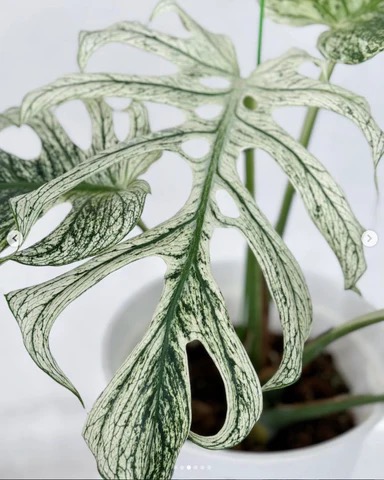
Plants that were commanding $30,000 just two or three years ago — like the Monstera Devil Monster — can now be found for a few hundred dollars. Tissue culture has been quietly transforming the market, making plants that were once impossibly rare increasingly accessible. But with that shift comes a whole new set of questions for collectors and buyers: Is this plant in tissue culture yet? Can I find it at a big box store, or is it still only available from a handful of specialty sellers? Has the price already crashed, or is it still on the way down? Is now the right time to buy — or should I wait?

Those are the questions that Plant Price Index is designed to answer.
How the index works
Built on top of sales data from online plant shops, these indexes are a lighter-weight companion to the full Rare Plant Atlas guides. They're not meant to replace the deep dives — they're meant to help you make smarter decisions before you spend. Where are prices now? Where should you expect them to go? How available is this plant, really? Is it the right time for you to buy?
The same goal, lighter
The goal is the same as it's always been: help collectors and buyers be more informed, so they can get the right plant at the right price — and at the right moment for them.
The price index is live now. Start with a plant you've been watching — or skim the index to see which ones are crashing fastest.